What Is a Partial Garage Conversion?
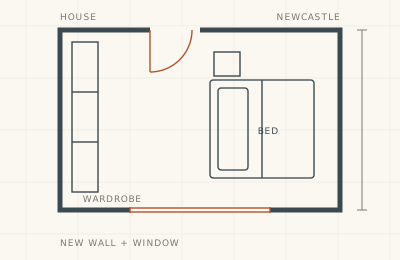
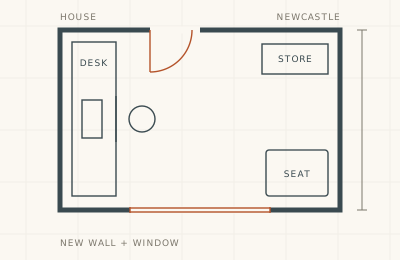
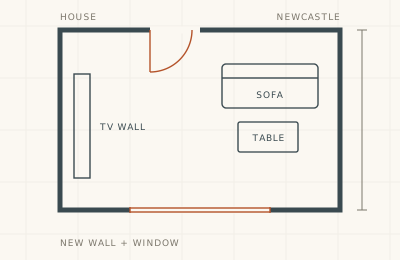
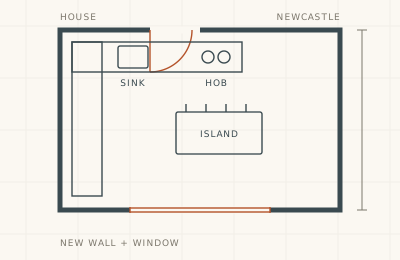
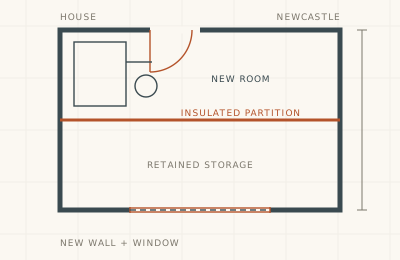
A new wall divides the garage into two areas, one for living and one for storage. The new room can be at the back or to one side, depending on the size of the garage and how it connects to the house.
Keeping the garage door
Keeping the front door gives you easy access to the store from the driveway. It also saves the cost of building a new front wall and window.
Building the dividing wall
The new wall needs insulation, fire protection and possibly sound insulation. It shouldn't block ventilation or leave an awkward strip of unusable space. A front-to-back split in a double garage often gives the most useful result, with one bay for each purpose.
Full or Partial: Which Should You Choose?
A partial conversion suits you if you have equipment that can't go in a shed, or if you only need a small room. A full conversion usually makes more sense if you need a bedroom or a family room, as a single garage split in two can leave both halves too small. Our garage conversion services page compares the options.
Rooms You Can Fit in Part of a Garage
Forget about an exact 50/50 split. Let the layout follow what the new room needs and what has to stay in storage.
Small home office
A compact office needs little more than a desk, a chair and some shelves, but it still requires light, heating, sockets and ventilation. A room behind the garage door can struggle for daylight and a safe way out. See our garage home office page for more ideas.
Utility room
A utility room gives a home to the washing machine, dryer, sink and cupboards. Water supply, drainage and extraction will influence where it goes, so the back of the garage may work well if it's near the kitchen.
Downstairs toilet
An extra toilet is useful for a busy household. The position of the soil pipe, the ventilation and the way the door opens all need proper planning.
Snug or hobby room
In a wider garage, one side could make a reading room or a place for a hobby. Measure your furniture and consider noise before setting the position of the wall.
Why Homeowners Choose a Partial Conversion
You get a new room without having to find a home for everything in the garage. The front of the house can stay as it is, which helps if you like how it looks or live on a street where changes need checking. It's also a good way to add a room on a smaller budget, or to keep your options open for a future owner who wants some garage space.
How Much Storage Should You Keep?
Start by listing your largest items, such as bicycles, wheelie bins, the lawnmower and seasonal boxes. Measure them, then add enough room to get them in and out without scraping the new wall. Shelving and wall hooks can make a surprisingly small store work well.
Will a car still fit?
Probably not in a single garage. Even a double garage may be tight once the new wall is built. If keeping parking matters, or a planning condition requires it, check the clear internal dimensions and the width of the door before agreeing the layout.
Is the store still safe for fuel and tools?
Think about what you keep in the store. Petrol for the mower, paint and other flammable items are a concern next to a living space. This is one reason the dividing wall needs the right fire protection.
Keeping the New Room Warm and Safe
The new room needs insulation on every side that faces the outside or the unheated garage. That usually includes the floor, roof and outer walls, as well as the dividing wall.
Avoiding cold spots and damp
Where a warm room meets a cold store, poorly finished joints can let heat out and cause condensation. Take care with the corners where the floor, wall and ceiling meet. This matters just as much in a small room as it does in a full conversion.
Ventilation and fire safety
The new room needs fresh air and a safe way out. Fire safety requirements depend on the layout, particularly if the store is used for fuel or for a car.
Do Partial Conversions Need Building Regulations Approval?
Yes, normally. Turning even part of a garage into a habitable room usually needs building regulations approval, however small the room is. A basic store doesn't need the same treatment, but the converted section does.
Planning permission often isn't needed for a simple internal conversion. Parking conditions, changes to the outside and other restrictions still need checking, and keeping some of the garage doesn't automatically solve them. The checks are set out in our planning and building control guide.
Is a Partial Conversion Cheaper Than a Full One?
Often, yes. There is less floor to finish and the original garage door may stay, which removes the cost of a new front wall. MyJobQuote's 2026 guide lists a partial conversion at £5,500 to £8,500. That is a published estimate, not our price.
When savings aren't guaranteed
A tiny toilet with difficult drainage can cost more than a simple larger office. The price depends on the dividing wall, electrics, plumbing, insulation, heating and access. Check how the storage side will be finished, and whether shelving is included. Our cost guide covers the main factors.
How We Decide Where the Wall Goes
Splitting a garage only works if both halves are useful. We measure what you need to store and what the room needs, then tell you if the numbers don't add up. That might mean moving the wall, or changing the plan. We cover homes across Newcastle, including Heaton, Kenton and Fenham.